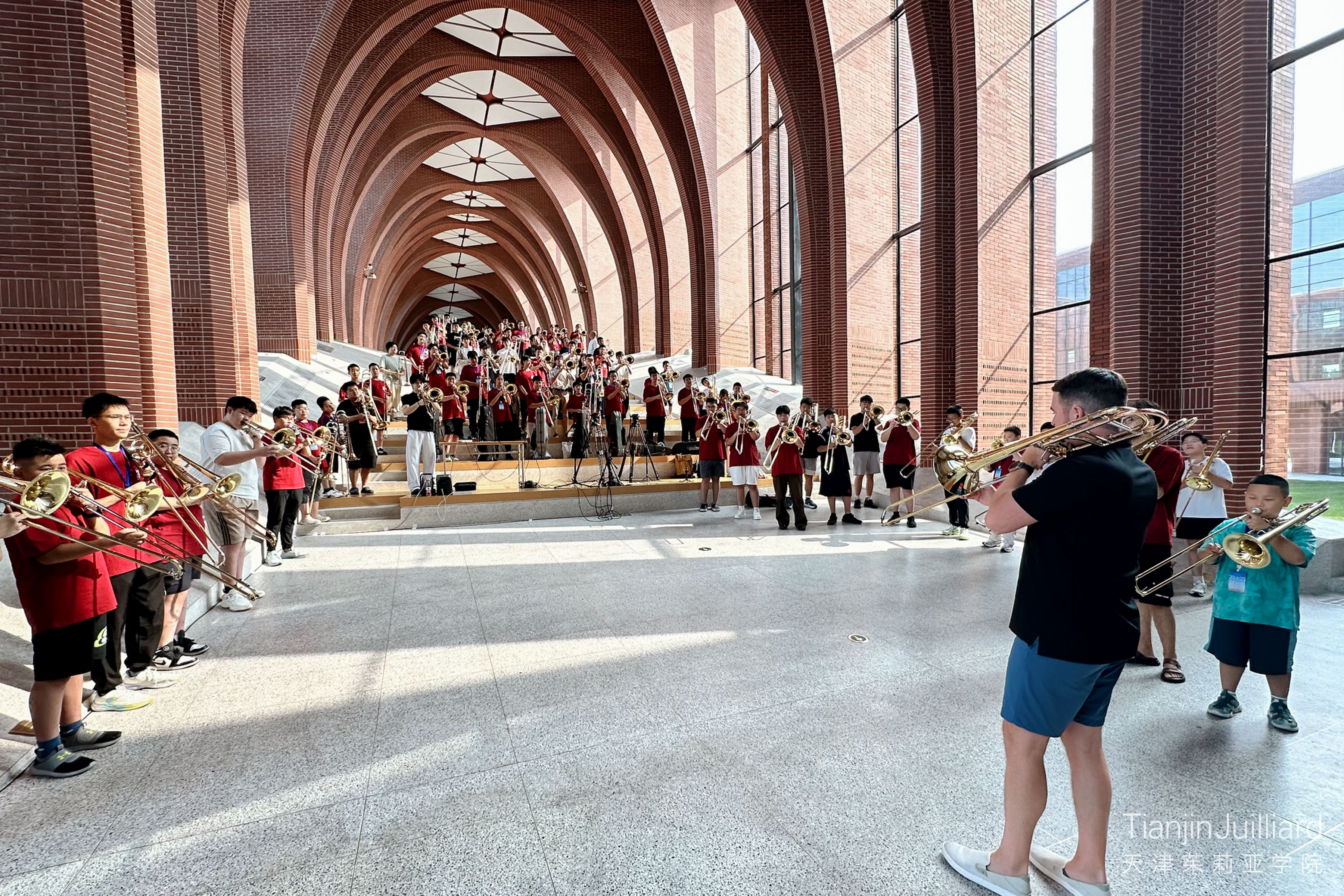
After a summer immersed in contemporary chamber music at the Banff Centre for Arts and Creativity in Canada, we caught up with resident trombone faculty Lee Allen about his approaches to listening, communicating, and responding as a collaborative musician and how it impacts his teaching philosophy.
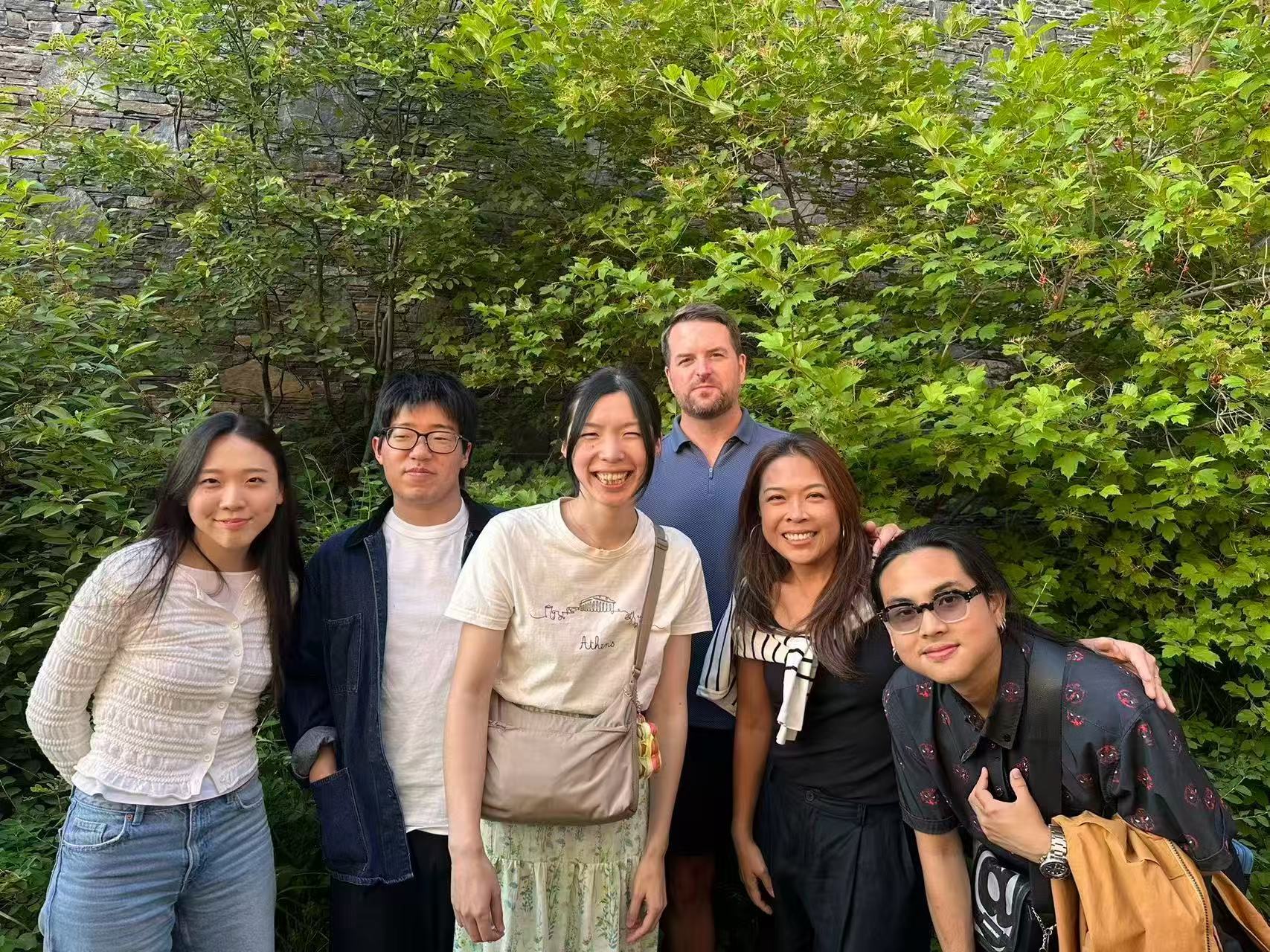
Brass instruments are often associated with power in the texture of the orchestra, but chamber music asks for a different kind of presence. Through your own experience playing chamber music and teaching in various contexts, how do you help young brass players develop the sensitivity and flexibility that these different musical environments often require?
I think the first step is helping young brass players understand that chamber music requires a different kind of listening. In an orchestra, we are often part of a larger sound, and there are moments when our role is to provide power, color, or support to the overall texture. In chamber music, every note is much more exposed, and players have to take greater responsibility in the musical conversation.
When exploring chamber music with students, I encourage them to think less about simply producing a beautiful or powerful sound and more about listening to what is happening around them. They need to be able to change their sound, articulation, dynamics, intonation, and timing depending on what the ensemble needs at that moment. Sometimes that means projecting; other times it means getting out of the way and allowing another instrument to lead.
I also encourage them to expose themselves to many different combinations of instruments, rather than sticking only to traditional instrumentation, such as brass quintets or string quartets. Playing in unusual, mixed-instrumentation groups teaches them to adapt. They discover that the ideal balance is not always about volume, it is about matching color, articulation, resonance, and musical character.
Ultimately, I want young brass players to develop the ability to be both a strong individual voice and a sensitive member of the ensemble. The best chamber musicians are constantly listening, reacting, and adjusting. That flexibility is valuable not only in chamber music but also in an orchestra, because it allows a player to become much more aware of how their sound and musical decisions affect everyone around them.
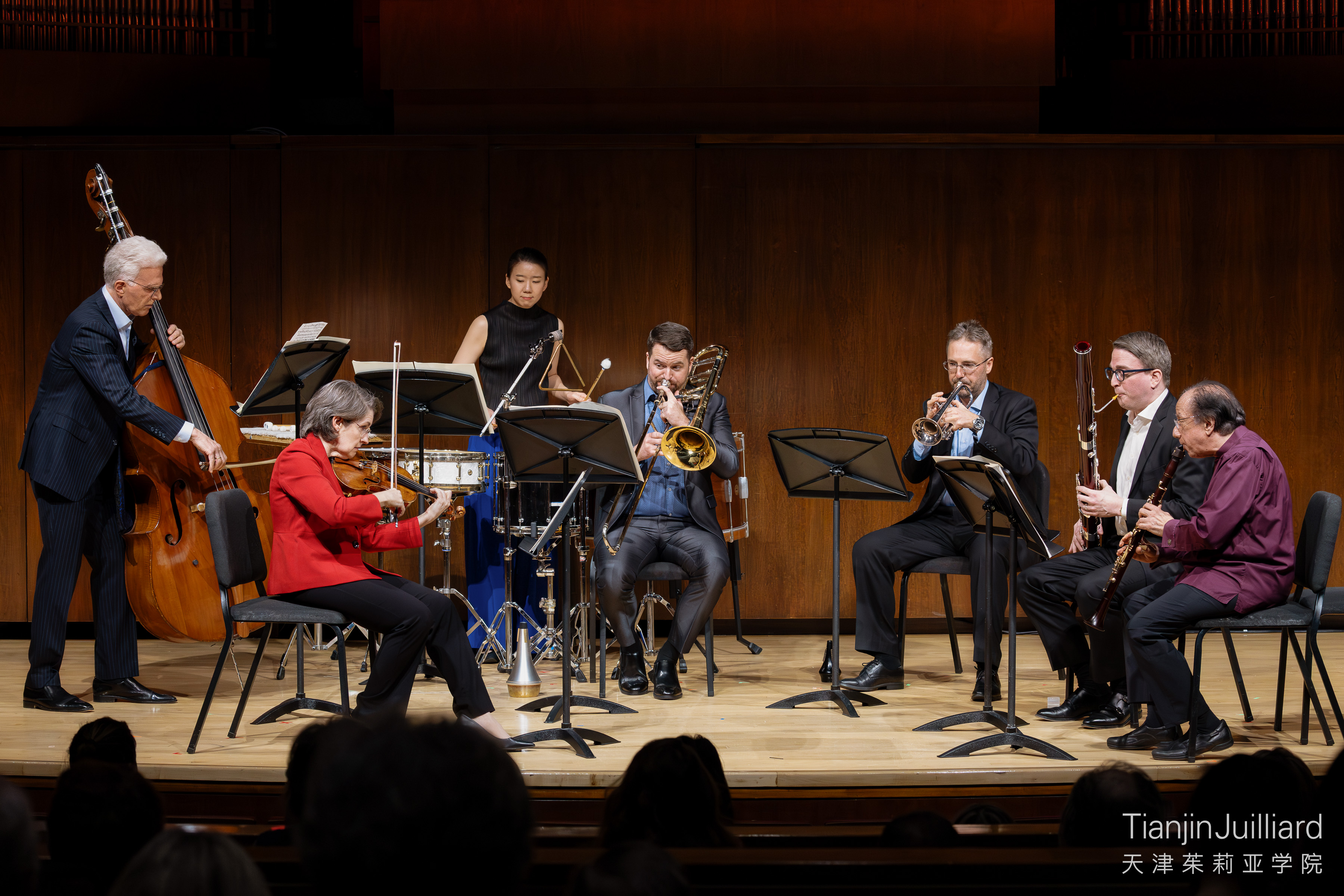
This summer, after being in an intensive chamber music environment and focusing on the work of contemporary composers, is there a particular lesson you hope to bring back to your students?
The biggest lesson I would bring back to my students is the importance of being curious about the music rather than simply trying to play the notes correctly. Exploring more contemporary works with fellow colleagues reinforces that chamber music is often a process of discovery. You have to ask: “What is my role here? What is the composer trying to communicate? What can I contribute to the musical conversation?”
That mindset is extremely valuable for young brass players. Chamber music forces us to listen in a much more detailed way. There is nowhere to hide, and every musical decision becomes much more personal.
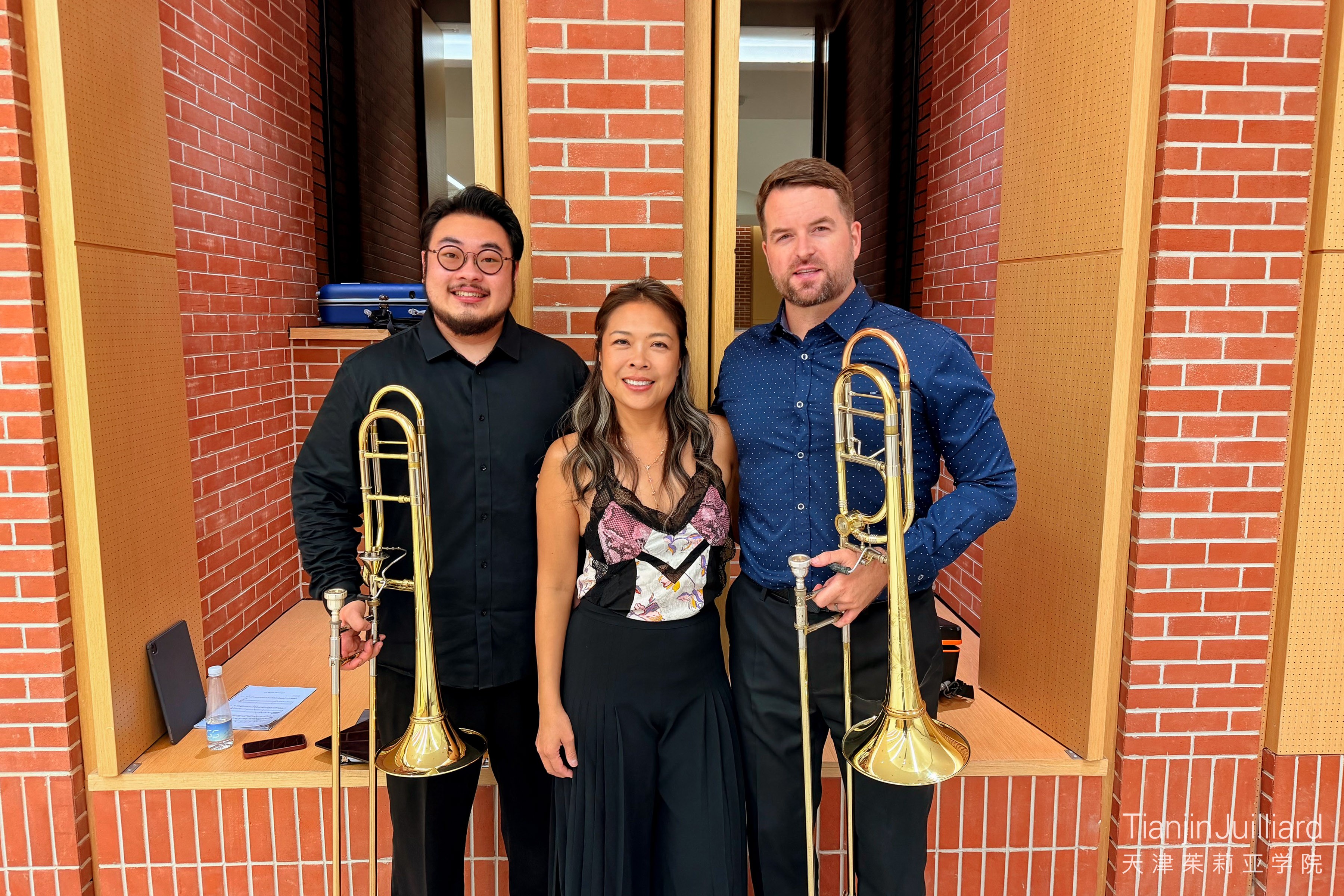
How does chamber music training reshape the way brass students approach orchestral performance and solo playing?
I think that experience directly carries over into orchestral playing. A student who learns to listen and react in a chamber ensemble becomes much more aware of the larger orchestral texture. Rather than simply playing their part at the correct dynamic, they begin to understand how their part functions within the whole. They become more flexible and responsive, and they learn when to lead, when to support, and when to change their sound to fit the musical moment.
It also changes the way they approach solo playing. Soloists sometimes think of themselves as the center of the music, but great solo playing is always an extension of great chamber music playing. You are constantly creating a dialogue, with the accompaniment, with the composer, and ultimately with the audience. So, for me, chamber music teaches a fundamental lesson: music is not just about producing sound; it is about listening, communicating, and responding. That is something I hope my students carry with them into every musical situation.