
For George Sakakeeny, teaching music is more than mastering an instrument. It is about developing the skills, imagination, and artistic sensibility that allow musicians to express their own voices.
For nearly half a century, Sakakeeny has built a distinguished career as a performer and pedagogue. He began his professional journey as principal bassoonist of the Singapore Symphony Orchestra in 1979. In 1989, he joined the Oberlin Conservatory of Music, where he taught for 27 years, then returned to his alma mater, the Eastman School of Music, serving as professor of bassoon for the past ten years.
This fall, Sakakeeny began a new chapter as a resident faculty member at The Tianjin Juilliard School. We spoke with Sakakeeny about what drew him to Tianjin Juilliard, his teaching philosophy, and how he helps young musicians grow into independent artists.
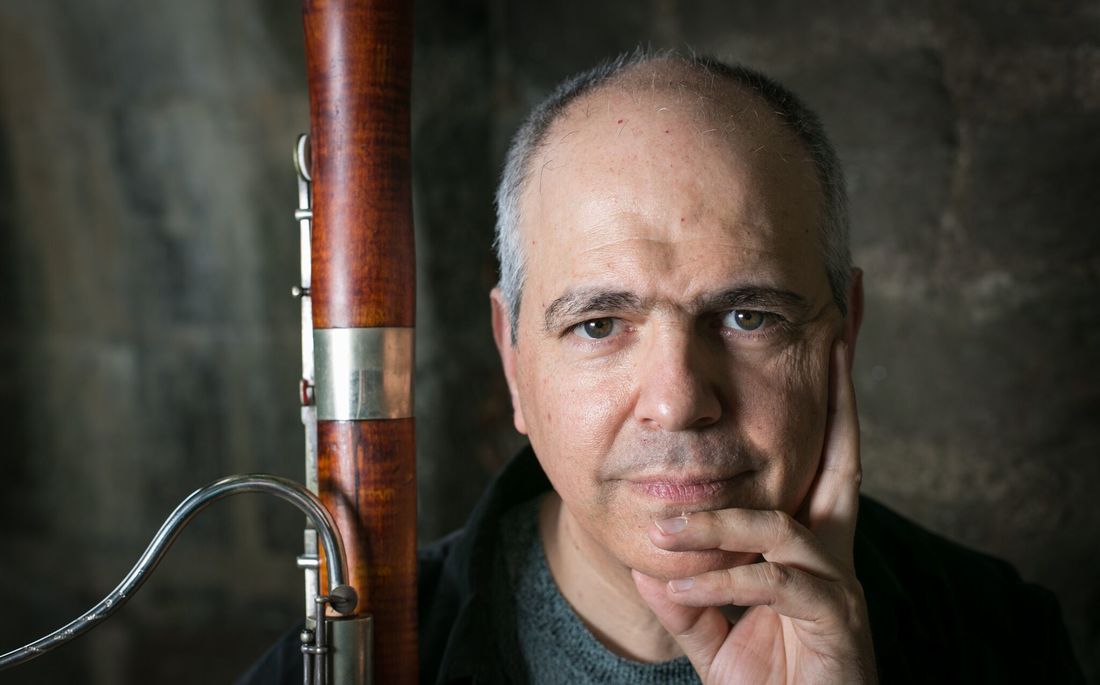
After decades of teaching at venerable conservatories, what drew you to Tianjin Juilliard?
It's Juilliard – one of the greatest music schools in the world, and one of the most audacious, bravest, and risk-taking institutions ever. Tianjin Juilliard is keen on innovating. Everyone plays a role in shaping the culture and community of the school. I’d been teaching full-time for 37 years at two of the oldest, most well-established music schools in the United States. When I got this opportunity, I thought if I could be part of the energy in a school that was in the process of inventing itself, it would be really exciting!
Another thing I think is very special about Tianjin Juilliard is that this school really embraces the philosophy of “it takes a village.” There’s a saying in English, “it takes a village to raise a child.” As faculty members, we are involved in the education of every student. For example, I teach students who are not in my private classes. I’ll have them in repertoire classes, work with them in chamber music, or do sectionals with them in the orchestra. They’re going to learn things from me, and my students are going to learn from my other colleagues. Faculty also gets to learn from each other. This is very unusual.
What qualities do you look for in students?
I look for natural musicality, drive and determination, and a good ear. The graduate program at Tianjin Juilliard is of a very high level, so I expect students to be at a high level already, close to being employable. They should have artistic vision, creativity, musical taste, and more refined details.
For students at the Pre-College level, my focus is mainly on fundamental skills, instrumental control, and confidence. I really enjoy working with students in their formative years. It's important to find repertoire that challenges them but is still within their reach. With enough practice, they can master it and gradually move on to more difficult pieces. They can make progress in a short time, and their excitement about what they’re doing makes teaching them fun and inspiring.
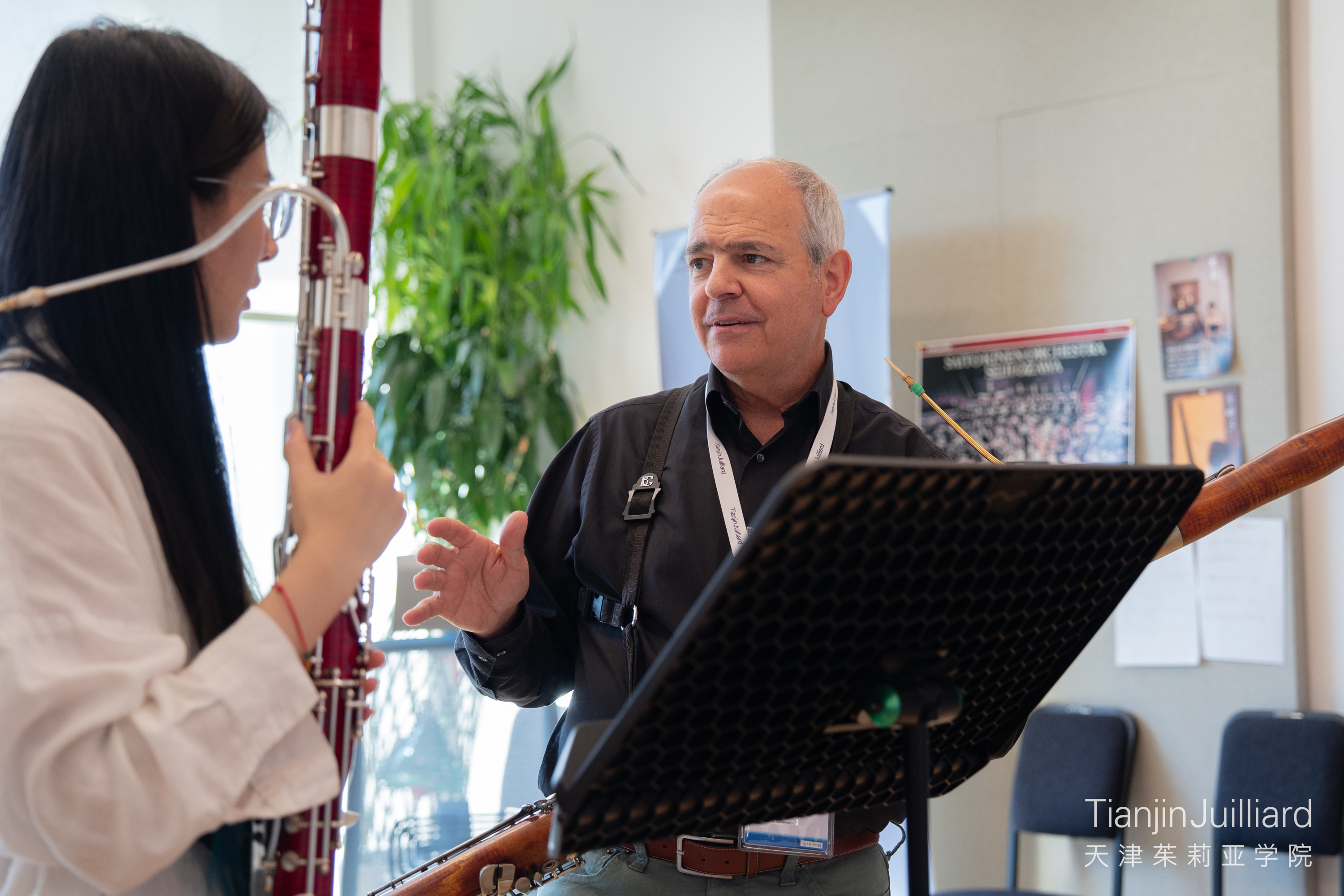
Could you tell us more about MRSIT, the teaching philosophy you developed?
MRSIT is a framework I use to teach music in general and also to evaluate students. It also helps me organize my thoughts about my own playing. It's an acronym: M stands for Musicality, R for Rhythm, S for Sound, I for Intonation, and T for Technique. Almost everything you need to do in instrumental music fits into one of those categories.
When I'm listening to students play, I use the rubric to identify what they do well and what they don't do well, then decide what we're going to work on first. Whether students are playing an etude, a concerto movement, or a sonata, we always start with the same question: what should this sound like?
I encourage them to come up with their own ideas, then we discuss how to make it that way. We start with the artistic vision for a passage or an entire piece, then work our way down, layer by layer, to be able to play in a specific way. Although this activity can take a few years, it will help students to progress. In the end, they will build stronger technical skills.
How do the demands of solo, chamber, and orchestral playing differ, and how do you prepare students to move between them?
Each setting calls for a different style of playing. In a concerto, every note has to feel like the most important thing happening at that moment; the soloist must be convincing throughout. Recital playing is more intimate and often demands the instrument’s full range, including the ability to play very softly. Chamber music requires the same strength of musical personality, even though you are not the soloist all the time and must be ready to carry the music when your part takes the lead. Orchestral playing requires a different kind of flexibility. Much of the time, you are contributing to the accompanying texture. When a solo arrives, however, you have to step forward immediately and then return just as quickly to support the ensemble. You cannot play a concerto the way you would play second bassoon in an orchestra, or vice versa. I tell students that they have to “wear the right costume” for each kind of performance.
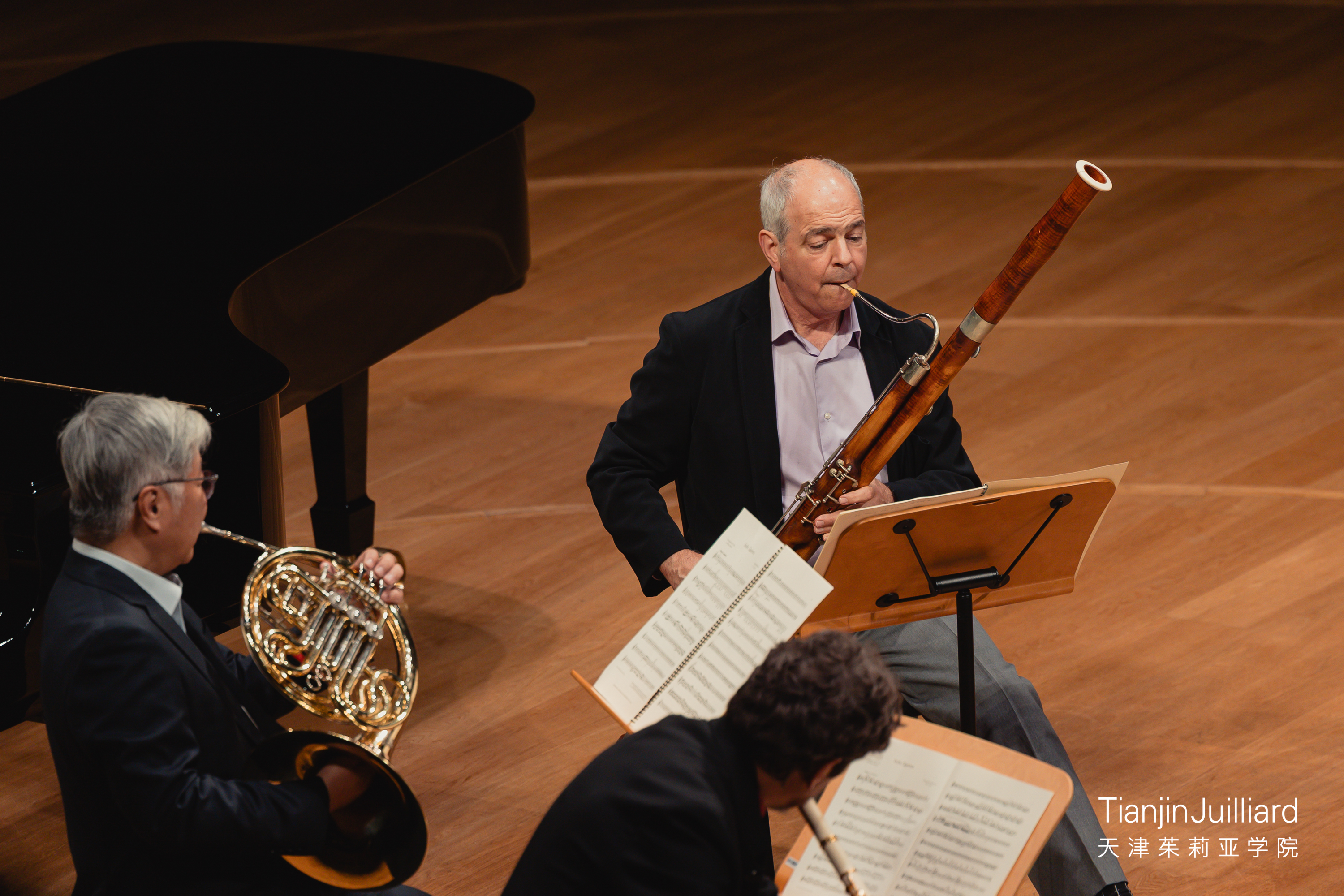
How did your own teachers influence you and what you hope to pass on to your students?
My teacher, Karl David Van Hoesen, was a tremendously wonderful artist and a great artist teacher. He was an important mentor to me, both musically and beyond. He also learned a lot from his teacher. It’s like a family tree of music, where you can see similarities in the way people express music, approach instrumental technique, and produce sound.
One very important concept I learned from my teacher was that the bassoon can be played as artistically as any other instrument. The important thing is not the instrument, but the music one makes. I've always tried to have the bassoon disappear and just have the music left. That's something I want to pass on to my students, too.